The overseas Chinese castle (OCT) area in the center of Shenzhen city is renewing the area where the factories of electric appliances are…
Will a culture be born from Shenzhen? OCT-loft area
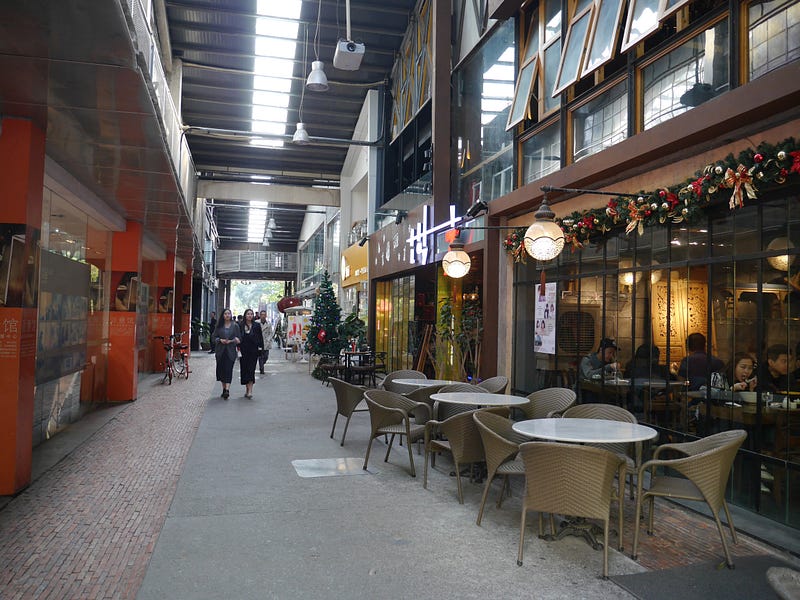
The overseas Chinese castle (OCT) area in the center of Shenzhen city is
renewing the area where the factories of electric appliances are lined
up, making it a cultural district like Soho in New York. Its name is
also a cultural district called OCT LOFT. Districts are on the site of
the factory and select shops and galleries like New York ’s Soho line
up, and young people are setting up designer brands.
Will you come up with a culture from Shenzhen? OCT LOFT will be
introduced.
Little Thing Magazine{.markup–anchor
.markup–p-anchor} for girls most popular in China / Fashion magazine
“Little Thing Magazine” was launched in Shenzhen in 2012 and has an
official shop in the area where select shops of OCT LOFT line up.
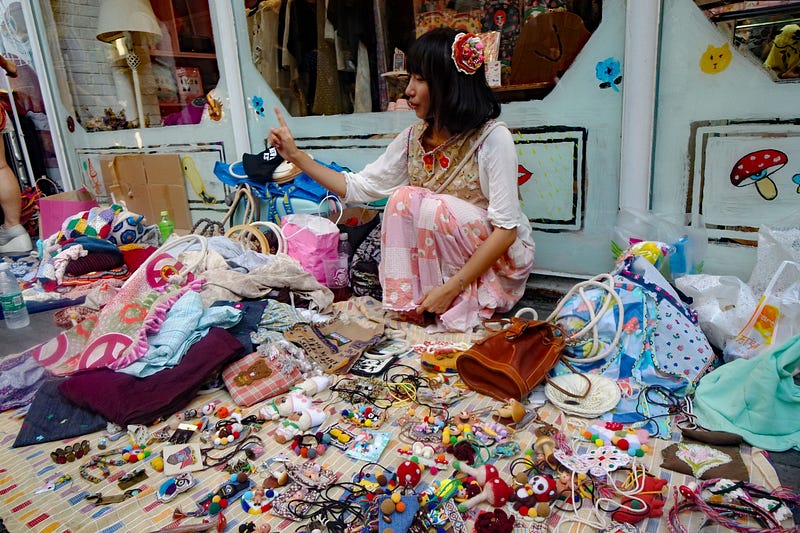
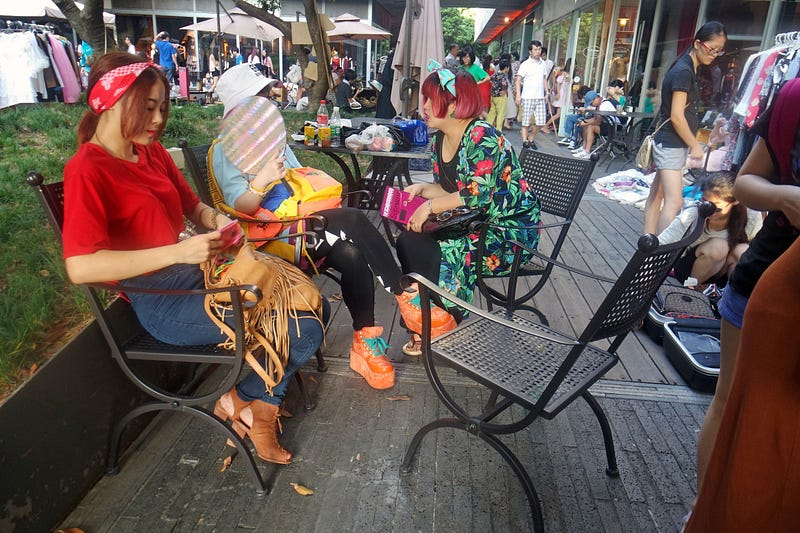
In that area flea markets and women who sell clothes designed by
themselves gathered and there are very different scenery from other
parts of Shenzhen and our stereotype Chinese image.
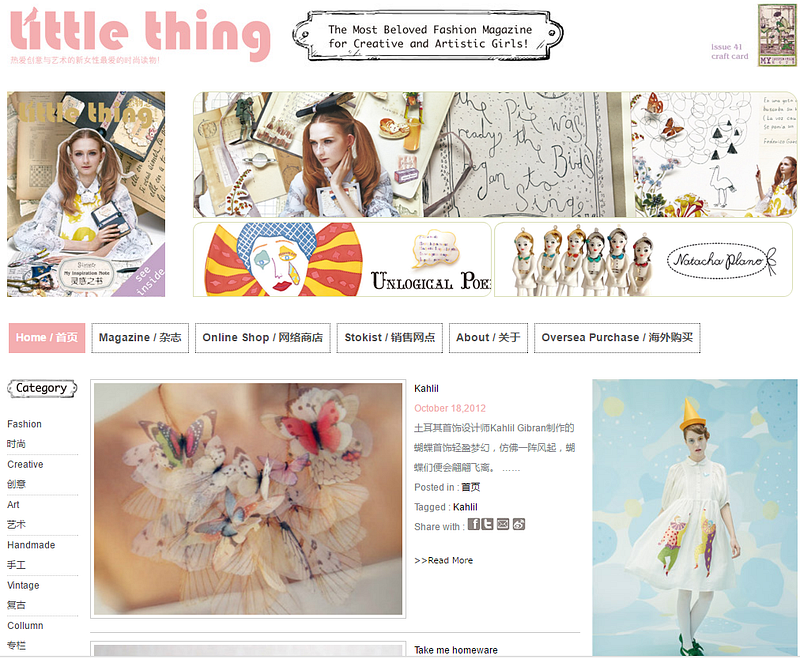
Although Little Thing magazine counts 75 yuan (about 10 USD) and publications of 225 thousand copies, although it is quite high among Chinese magazines, many readers subscribe. It is sold in Japan such as Tsutaya appliances in Daikanyama, in a style reminiscent of fashion magazines published by publishers such as magazine houses in the 80s and 90s in Japan. Many Japanese stylists appear on the page, and popular shops are often deployed in department stores and so on in Japan, official mail order sites in Japan (not Japanese version, selling Chinese magazines in Japan) is there.


Will culture be born in Shenzhen? OCT LOFT Creative culture district
The area where the official shop of Little Thing Magazine is located is
called 華僑华侨城創创意文化园(OCT LOFT). It is good to call the Chinese
creative intention creative and culture the “creative culture” district
that points to culture.
Information on cultures, such as photo exhibitions, are also on the
official website of OCT LOFT district. This place is also a place where
many cultural events such as architectural biennale, animation biennale
etc are held.
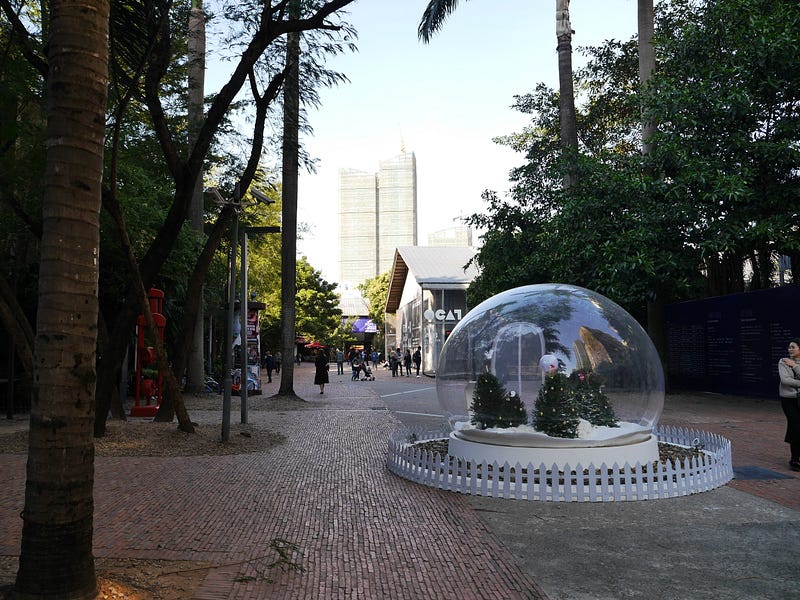
This area was a place where there was a factory of China’s leading consumer electronics manufacturer KONKA until the 1980s. The building of the factory is still there and I am trying to replace the interior and make it a creative culture district.
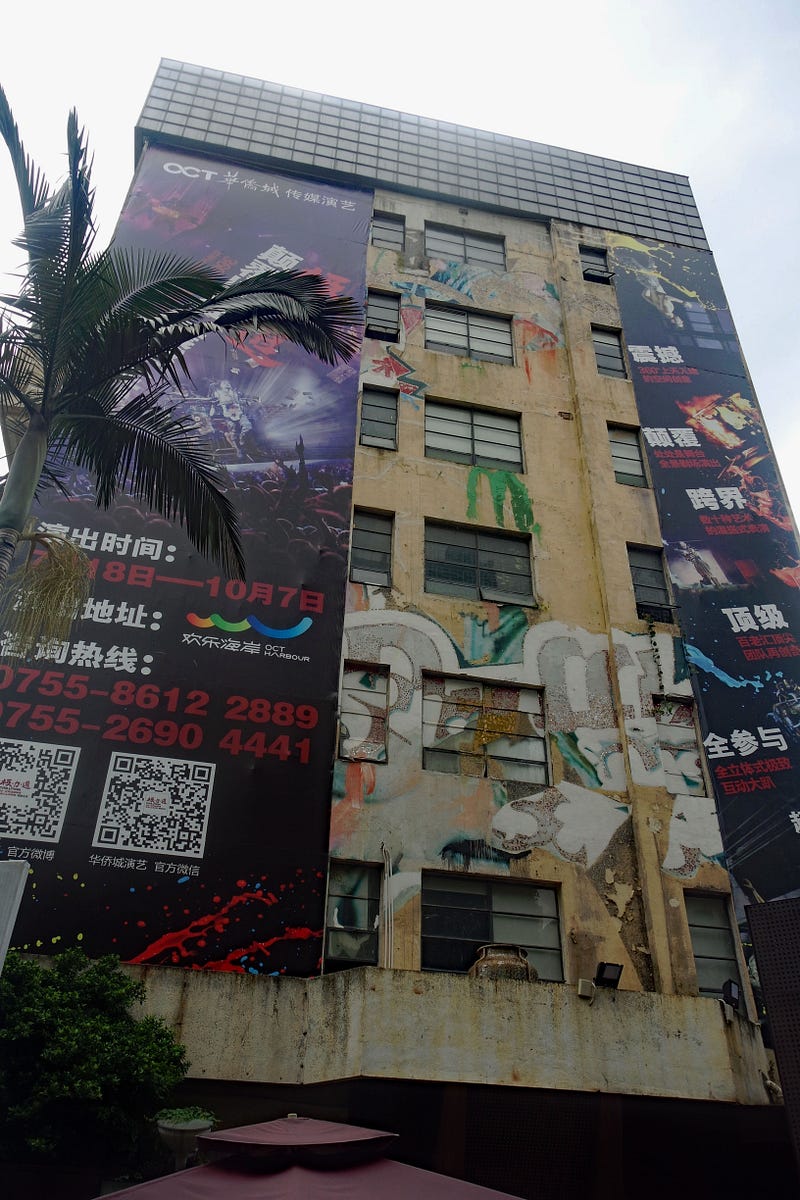
Somehow I do not understand, even if I build a shiny building in such a
cultural district where there is nothing, it seems that the way the
creator can do freely to some extent in a place like ruins is going
well.
Soho in New York modeling around the world also started at the site of
the textile factory. Warehouse of high ceiling textile factory was
called loft and became place of designer’s activities. This OCT LOFT
seems to be conscious of it from the name. Beijing’s 798 arts district
utilizing the former site of the semiconductor factory has gained its
name in the world.
Akihabara 3331 Arts Chiyoda and 2K 540 AKI — OKA ARTISAN etc in Japan
are working as a creative space making use of abandoned school and
underpass.
Shenzhen’s first maker space is also here
This area is also the place where Shenzhen’s first “Maker Space” moved
in 2008. “Maker Space” is a general noun and is a hangout place for
people who are free to make things like doujinshi (mostly by extension
of hobby), sharing machines such as 3D printers, and community where
study sessions and the like are conducted Point.
American Apple also began selling boards in such a coterie community. In
the past several years, Maker’s space has been drawing attention in the
movement of the world-wide ‘doubtful hardware invention’ called MAKER
MOVEMENT.

Shenzhen’s first Makerspace,柴火創客空間 (Chaihuo) has been working here at OCT LOFT since 2008. Even if it is worldwide it is the oldest maker space, making doujinshi-style products around the world Entrepreneurial support Seeed supported to support 100%, Seeed’s customers at the time were mostly Western manufacturing enthusiasts and space for rooting that culture in China, but important for many Shenzhen ventures It is a place of exchange and recruitment.
And in January 2015, Chinese Prime Minister Lee Kwang visited this Chaihuo and signed an honorary membership card, so Chaihuo became a fire of inventing and entrepreneurial boom in China as a whole.

Does the government store the culture in the town?
In 2004 this area became the National Culture Industry Demonstration
Base of the Chinese government.
Activities of Little Things Magazine and Chaihuo that we have introduced
so far are not up to the country ’s premise, but are raised up from the
private sector. I think that it is difficult to produce culture in other
forms.
About 1980 “People who walk around the guide banning the Champs-Elysées and buy brand-name goods” were Japanese. Now the brand from Japan also passes overseas. Cultures are accumulating in Tokyo, various places, Akihabara, Nakano, Harajuku and Shibuya too.
Nobody knows Shenzhen will sooner or later.
Still, many young people gathered in this OCT LOFT, and they are having
fun shopping and doing DIY. The total amount of that energy will
certainly create something new. Again, I am visiting this area every
time I visit Shenzhen.
By TAKASU Masakazu/高須正和{.p-author .h-card} on March 8, 2017.
Canonical link Exported from Medium on February 6, 2026.