A Decade of Change in Hardware Innovation
Unleashing the Future of Hardware Innovation: Lessons from a Decade of Maker Ecosystems
A Decade of Change in Hardware Innovation
In his recent article, 春節前整理:未来のハードウェアイノベーションはどこに向かうか(メイカーズのエコシステムから10年){.markup–anchor .markup–p-anchor}, Masakazu Takasu offers a comprehensive overview of how the hardware innovation landscape has evolved over the past decade, particularly through the lens of Shenzhen’s maker ecosystem. From accessible supply chains to groundbreaking advancements in AI, Takasu explores key drivers shaping this dynamic field and where it’s heading.
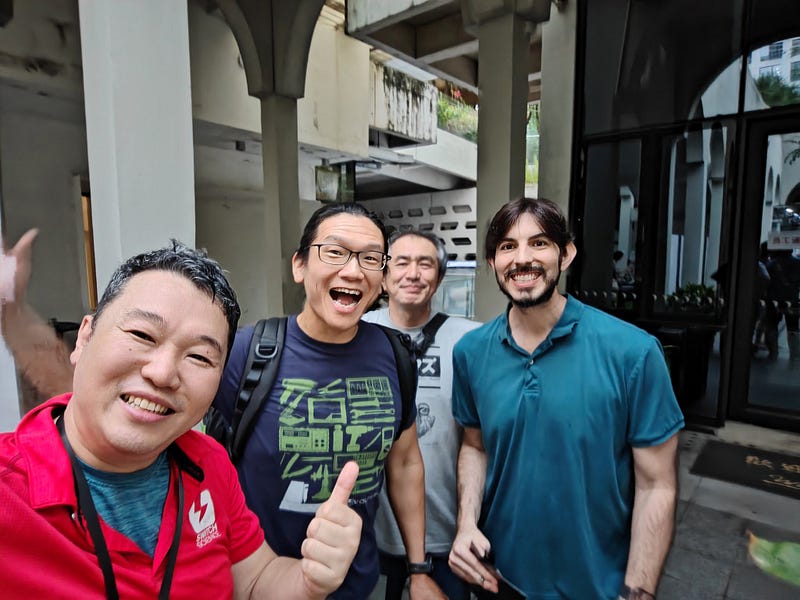
Here, we delve deeper into his insights to understand what this means for innovators, investors, and anyone shaping the future of technology.
1. The Democratization of Hardware Innovation
Takasu highlights how hardware innovation is mirroring the trajectory of software development, where open-source resources and scalable platforms broke down entry barriers. Shenzhen, often referred to as the “Silicon Valley of Hardware,” has played a pivotal role in this transformation.
Key Drivers:
- [Open Supply Chains: Shenzhen’s transparent and accessible hardware supply chains have empowered small startups to prototype and scale with unprecedented speed.]
- [Knowledge Sharing: The availability of maker-centric resources — like open-source boards, 3D printers, and modular components — has fostered a generation of innovators capable of turning ideas into reality.]
“Hardware innovation is no longer the exclusive domain of large corporations. Startups and independent creators now wield the same power to innovate.”
2. The Rise of Developer-Friendly Platforms
Accessible development tools have been the backbone of this shift. Companies like M5Stack, a modular IoT development platform, and Bambu Lab, known for user-friendly 3D printers, have transformed the maker ecosystem.
Why It Matters:
- [These platforms reduce development time, making it easier for creators to iterate quickly.]
- [They promote experimentation, creating a culture where failure is a stepping stone rather than a setback.] Takasu also highlights DJI, which has not only dominated the drone market but also contributed to the robotics space by hosting competitions that inspire and enable young developers.
3. Entrepreneurs Empowering Entrepreneurs
One of the most profound changes has been the creation of a virtuous cycle where successful founders and investors reinvest in new ventures.
Key Trends:
- [Experienced entrepreneurs in Shenzhen are mentoring new startups, sharing not just financial support but also strategic guidance.]
- [This has created a thriving ecosystem where expertise flows freely, accelerating the development of cutting-edge products.]
“The growth of a sustainable ecosystem relies on the cycle of giving back — where seasoned innovators help the next generation succeed.”
4. AI and Hardware Convergence
China’s rapid advancements in AI, particularly in AI chips, are a standout theme in Takasu’s analysis. The confluence of hardware accessibility and AI innovation has led to groundbreaking applications.
What’s Driving the AI Boom?
- [Localized Innovation: Chinese companies are leveraging Shenzhen’s ecosystem to develop specialized AI hardware for robotics, autonomous vehicles, and industrial automation.]
- [Collaborative Growth: Partnerships between startups and established companies ensure faster iterations and broader market reach.] This synergy has solidified China’s position as a leader in AI-powered hardware innovation.
5. What’s Next for Hardware Innovation?
Takasu predicts continued momentum in hardware innovation, driven by:
- [Sustained Ecosystem Support: More creators and entrepreneurs contributing to open-source tools and knowledge sharing.]
- [Global Collaboration: While Shenzhen remains a hub, international partnerships will likely fuel the next wave of innovation.]
- [Emerging Technologies: Areas like quantum computing, bioelectronics, and edge AI will redefine the possibilities of hardware.]
“We are entering an era where the boundaries between hardware and software are blurring, enabling entirely new forms of innovation.”
The Takeaway for Innovators
Takasu’s reflections underscore that the future of hardware innovation depends on collaboration, openness, and a thriving ecosystem. Entrepreneurs who tap into these networks, both in Shenzhen and beyond, stand to gain a competitive edge in shaping the next decade of technological breakthroughs.
For hardware innovators, the message is clear: Embrace the ecosystem, share knowledge, and invest in the next generation. The opportunities are boundless for those willing to collaborate and experiment.
This blog is not just a retrospective look at the past decade — it’s a call to action for creators, investors, and thought leaders to take part in shaping the future. As Takasu aptly suggests, the best is yet to come.
By TAKASU Masakazu/高須正和{.p-author .h-card} on January 23, 2025.
Canonical link Exported from Medium on February 6, 2026.