Shenzhen Is Not a Concept. It Is an Operating System.I have spent the past years walking through Shenzhen.
Not attending conferences. Not visiting curated innovation tours. Just walking — through electronics markets, subway stations, autonomous driving zones, logistics hubs, and public science museums.
What interests me is not “innovation” as a buzzword.
It is deployment.
Technology becomes meaningful only when it operates in public space.
In Shenzhen, you can see:
Autonomous vehicles navigating real traffic. Drone delivery infrastructure embedded between residential towers. Electronics markets feeding global hardware startups. Supply chains operating within walking distance of metro lines.
This proximity is rare.
It makes Shenzhen less of a tourist destination and more of a working laboratory.
Why Public Transit MattersEvery location I document is reachable by public transportation and a smartphone.
No insider access. No private factory tours. No exclusive credentials.
Just mobility and curiosity.
This approach is intentional.
If a system cannot be observed independently, it is not yet fully integrated into the city.From Product Teardowns to Urban SystemsRecently, I have been looking at hardware through teardowns — examining how devices are assembled, localized, and optimized.
But cities are the macro-level teardown.
Shenzhen allows you to see how micro-level decisions aggregate into infrastructure.
How components become supply chains. How startups become logistics networks. How policy becomes pavement.A 2026 SnapshotTo organize these observations, I compiled them into an English field guide:
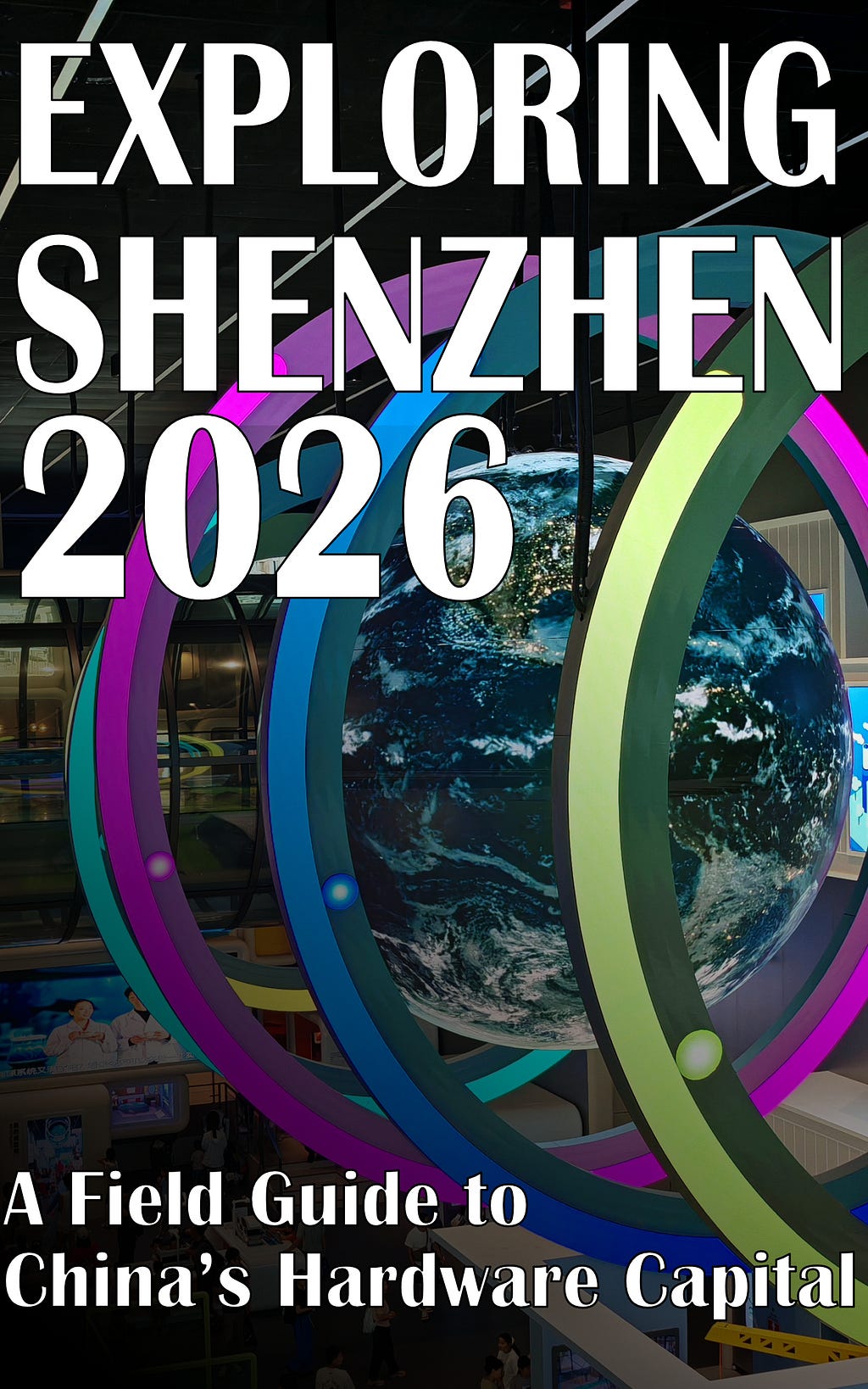
Exploring Shenzhen 2026
It is not a sightseeing guide.
It is a documentation of a city in deployment.
A snapshot of how technology integrates into everyday life at urban scale.
Shenzhen changes quickly.
This is how it looks right now.
Available now on Kindle (and Kindle Unlimited).