This time I am writing from Embedded World in Nuremberg, Germany.
It is one of the most important events in the embedded systems industry, although it is far less known to the general public than events like CES or Mobile World Congress.
More than 1,000 companies exhibit here, and the event attracts 30,000–40,000 visitors, mostly engineers.
Instead of consumer gadgets, the halls are filled with semiconductor vendors, embedded software companies, development tool providers, and module manufacturers.
The atmosphere feels very different from a consumer electronics show. It feels more like an engineers’ gathering than a product showcase.

A show that started with embedded softwareEmbedded World started in 2003, and in its early days the focus was much more narrow.
The main players were companies building tools for embedded software development:debuggerscompilersRTOSdevelopment environmentsOne example is SEGGER, known for its widely used J-Link debugger.
I had used J-Link many times, but this was actually the first time I saw their booth in person.
What makes SEGGER interesting is that their tools work across many different microcontroller platforms. Instead of relying on open-source tools, they provide a complete proprietary solution, which many companies prefer because it simplifies licensing and integration.
Companies like SEGGER were exactly the kind of firms that shaped the early Embedded World events.
The embedded industry has always had a strong culture of working across companies and ecosystems. Tools, chips, and software frameworks often come from completely different vendors but must work together.
Over time, this ecosystem expanded. Microcontroller vendors, open-source projects, and developer communities have gradually become part of the same space.The growing presence of hardware and modulesWalking through the exhibition today, it is clear that the scope of the show has expanded.
Originally it was heavily focused on software tools, but now there are many more hardware vendors.
Major microcontroller companies such as NXP, STMicroelectronics, and Infineon have large booths.
Module companies are also very visible. Firms like Quectel and Fibocom showcase communication modules used in IoT devices.
Instead of presenting chips in isolation, many booths demonstrate complete development environments or application prototypes. The message is no longer just about specifications but about what developers can build with these platforms.

The strong presence of Chinese companiesAnother noticeable trend is the strong presence of Chinese companies.
For example, Espressif, the company behind the widely used ESP32, has a large booth attracting significant attention.
Companies in communication modules and IoT hardware are also very active.
Although this is a European trade show, the influence of China’s hardware ecosystem — especially from Shenzhen — is very visible.
Many Chinese companies present not only chips but also modules, development boards, and reference designs. This integrated approach makes it easier for developers to move quickly from prototypes to real products.Open source and European industryOne aspect that stands out in Europe is the close relationship between open source software and industry.
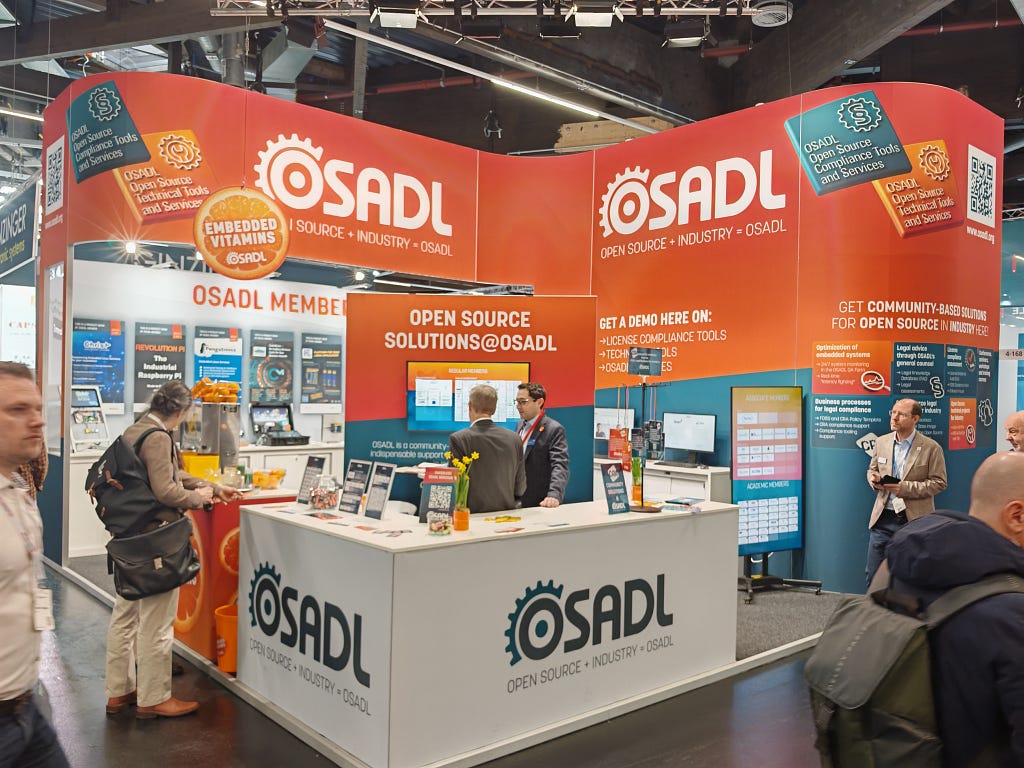
Organizations like OSADL (Open Source Automation Development Lab) focus on topics such as long-term Linux support and open-source licensing for industrial systems.
In Japan, open source is often associated with developer communities.
In Europe, however, it feels more like part of the industrial infrastructure.
Many companies openly discuss Linux, industrial open-source platforms, and long-term support strategies.
Where are the Japanese companies?Japanese companies are present at the show — Renesas, Sony, Murata, among others — but their presence feels relatively small compared with European and Chinese firms.
This likely reflects differences in industrial structure.
Embedded World focuses heavily on development tools, platforms, and system components.
Many Japanese electronics companies traditionally focus on finished products or specialized components, which may not align perfectly with the culture of this event.The atmosphere is slowly changingDespite its traditional engineering focus, the atmosphere of Embedded World has started to change in recent years.
There are more demonstrations involving Edge AI, IoT platforms, and development boards.
Influences from the maker ecosystem — platforms like Arduino and Raspberry Pi — can be felt across many booths.
The embedded world is gradually becoming more accessible to a broader developer community.
This shift is subtle, but visible if you walk through the halls.YouTube / PodcastI also recorded a short field report from the exhibition.
In the Nico-Tech Shenzhen Field Notes series, I share observations from technology ecosystems around the world — from Shenzhen’s hardware supply chain to maker communities and robotics development.
You can watch the video here:
YouTube:https://medium.com/media/9bb984007fcfd6fb4465a16b47bac209/hrefNext articleIn the next Field Notes article, I will talk about how the Maker movement changed embedded development.
Platforms like Arduino, ESP32, M5Stack, and Raspberry Pi have dramatically lowered the barrier to entry for hardware development over the past decade.
Walking around Embedded World, it is clear that this shift is already reshaping the industry.